
Comprehensive Guide to Growing Kalapadi Mango Plant
If you are looking to add a unique, disease-resistant, and incredibly sweet variety to your orchard, the Kalapadi mango plant is an exceptional choice. Originating from the scenic village of Kalappadi at Bodinaikkannur in Tamil Nadu, India, this variety has gained immense popularity worldwide. Known for its fiber-less, sweet-and-tart juicy flesh, it is a rewarding plant for both home gardeners and commercial growers.
In this guide, we break down everything you need to know about the Kalapadi mango plant, from its unique features to step-by-step planting instructions.
Quick Overview: Features of Kalapadi Mango
| Feature | Specifications |
| Common Names | Kalapadi Mango / Kalapad Mango |
| Origin | India (Tamil Nadu) |
| Tree Size | Medium-sized plant |
| Fruit Weight | 100g to 200g (Approx. 6–7 mangoes make 1kg) |
| Brix Value (Sweetness) | 17% to 20% |
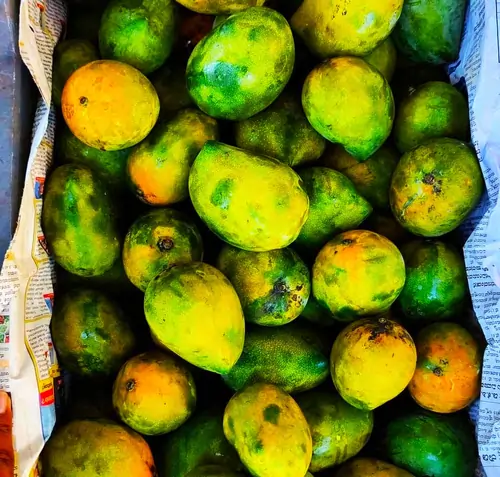
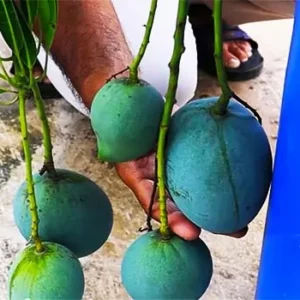
| Fruit Texture | Fiber-less, hard flesh, slightly oval-shaped |
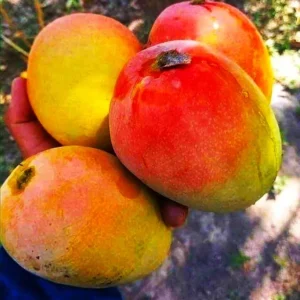
| Skin & Pulp Color | Greenish yellow-orange skin; deep orange pulp when fully ripe |
Detailed Characteristics of the Kalapadi Mango Plant
1. Exceptional Taste and Texture
The Kalapadi mango is celebrated as one of the sweetest Indian mango varieties. It features a juicy, thick, and pulpy texture with absolutely no fiber. The flavor profiles are a rich blend of high sweetness (17% to 20% Brix value), perfectly balanced with a mild tartness.
2. Natural Disease Resistance
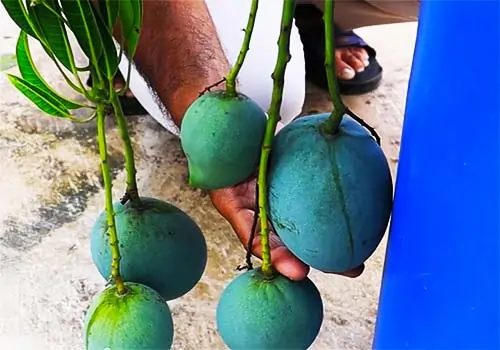
One of the best reasons to buy a Kalapadi mango plant is its natural hardiness. The fruits possess a firmer flesh and a thicker outer skin coated with a natural white powder. This unique physical trait serves as a powerful defense mechanism against common pests and diseases.
3. Ideal Climate and Temperature
This variety thrives beautifully in tropical and subtropical climates. The optimal temperature range for steady growth and fruit production is between 25°C and 40°C. It is important to note that cool conditions below 20°C are not suitable for this tree, as lower temperatures can degrade fruit quality and trigger diseases.
4. Season and Harvesting
While fruiting usually starts between November and February, the primary harvesting season spans from March to July (or December to March, depending on regional microclimates).
💡 Important Tip: Stop watering the plant 30 days prior to harvesting. Continuing to water right before picking can severely dilute the flavor and degrade the fruit quality.
Essential Cultivation & Care Tips
-
Sunlight Requirements: Select a planting spot that receives 4 to 8 hours of direct sunlight daily. Insufficient sunlight will stunt the tree’s growth and result in poor fruit quality.
-
Soil Conditions: It prefers well-drained, fertile red soil or sandy loam rich in micronutrients. A soil pH level between 6.5 and 8.0 delivers the best results.
-
Watering Rules: Always check the moisture level of the soil before watering. While mangoes love moisture-retaining soil, waterlogging must be strictly avoided.
-
Fertilizer Strategy:
-
Use Nitrogen-rich fertilizers during the initial stages to help small-sized plants gain structural strength and growth.
-
Switch to Phosphorus and Potassium blends later on to stimulate abundant flowering and fruiting.
-
High-quality organic fertilizers are excellent sustainable alternatives to synthetic options, provided the quantity is carefully managed.
-
Step-by-Step Guide: What to Do After Receiving Your Plant
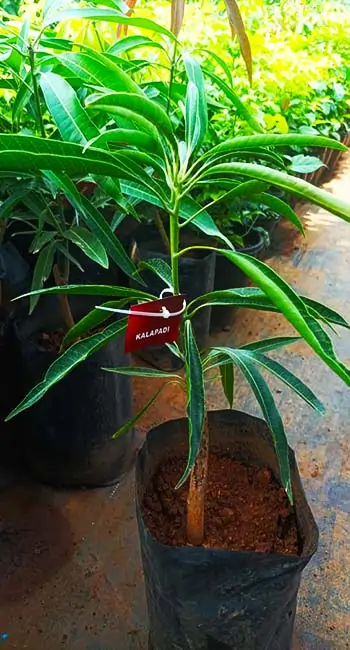
When you order a Kalapadi mango plant online, proper handling upon arrival is crucial for its survival. Follow these exact steps:
-
Unbox Safely: Carefully remove the packaging using a knife or scissors. Ensure you do not accidentally slash or damage the stem and leaves.
-
Inspect the Sapling: Examine the live plant closely for any severe transit damage. (Note: If you notice heavy damage, please document it immediately with photos/videos and contact us).
-
Immediate Potting: Move the plant into a temporary container (like a plastic pot, grower bag, or large cover) filled with rich soil right away.
-
Controlled Watering: Give it a light splash of water only if the root-ball soil feels dry. Over-watering a stressed plant can rot the roots.
-
Acclimatization: Place the freshly potted container in a spot with light, filtered sunlight. Do not expose it to harsh, direct sunlight immediately, as it needs a few days to recover from transit shock.
Kalapadi Mango Plant Price
Due to its soaring demand and premium fruit profile, the Kalapadi mango plant is a highly sought-after addition to any garden. Our healthy, premium-quality grafted saplings start at just ₹300, with prices varying depending on the plant’s size and age.
Ready to grow your own organic sweet mangoes?
Head over to plant4you.in to order your healthy, disease-resistant Kalapadi mango plant today and take your first step toward a greener lifestyl
Reviews
There are no reviews yet.